What Is Raksha Bandhan?
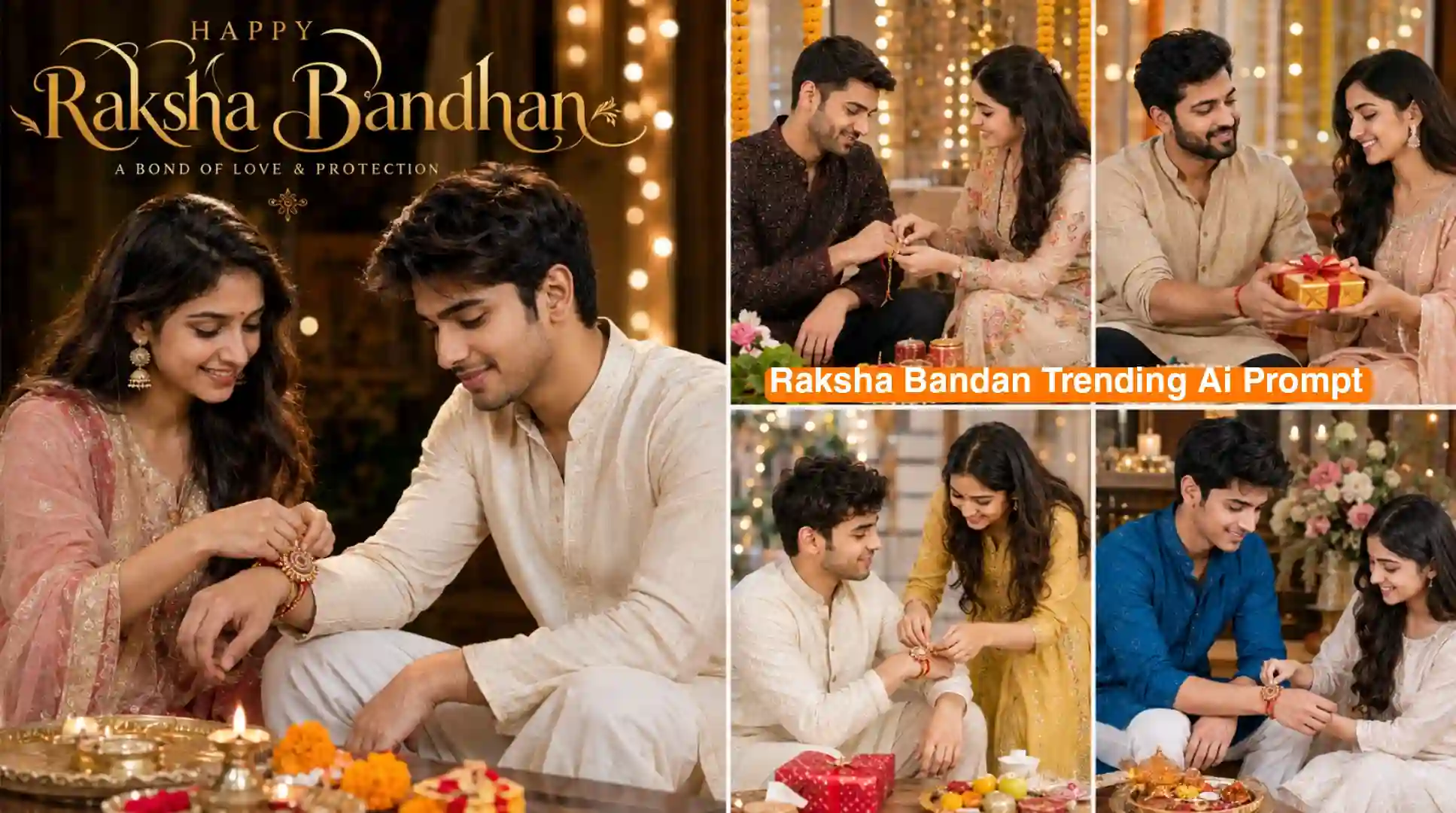
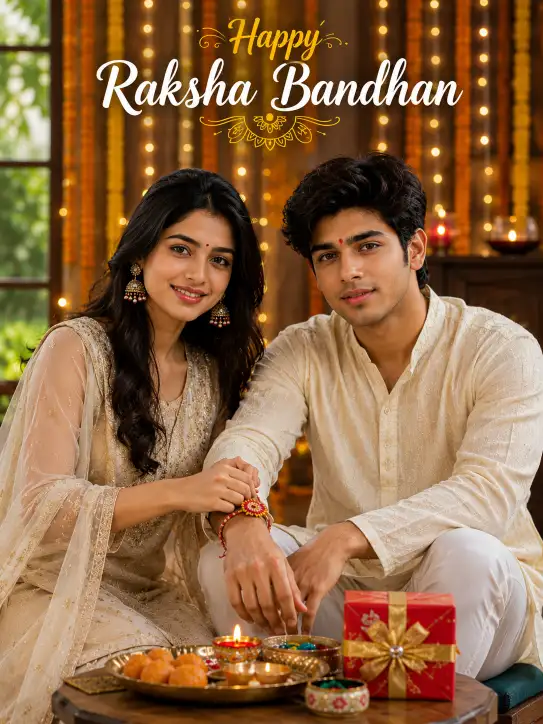
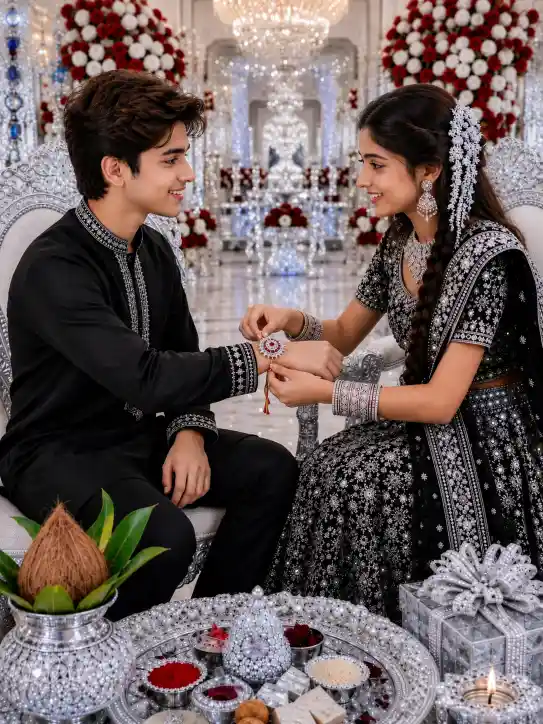
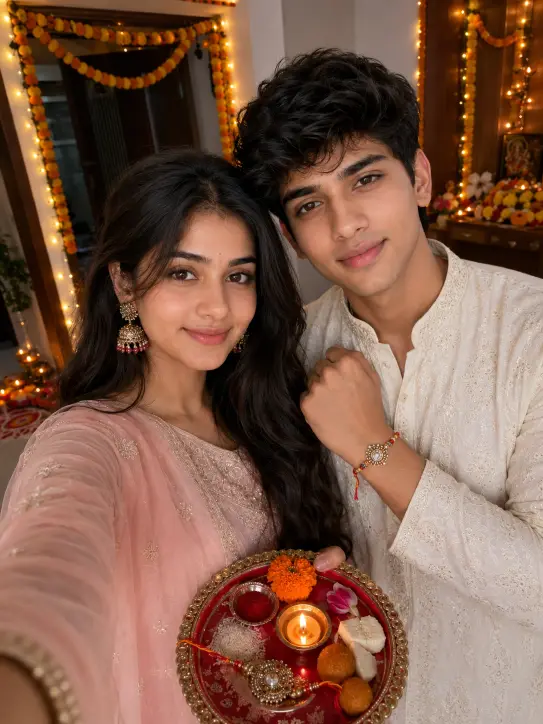
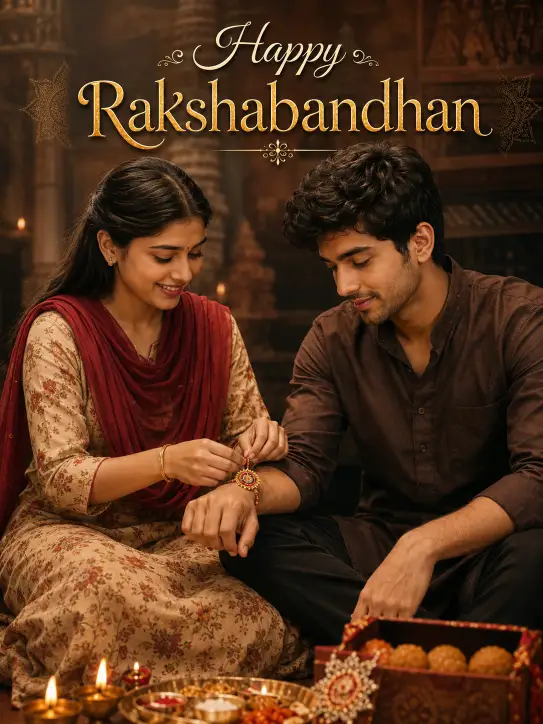
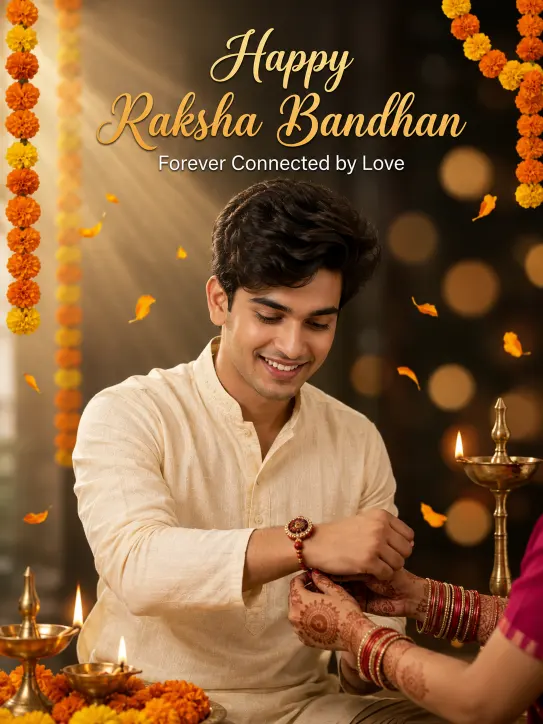
Raksha Bandhan is a traditional Hindu festival celebrating the bond between brothers and sisters. The central ritual involves the sister tying a sacred thread, known as a rakhi, around her brother’s wrist.
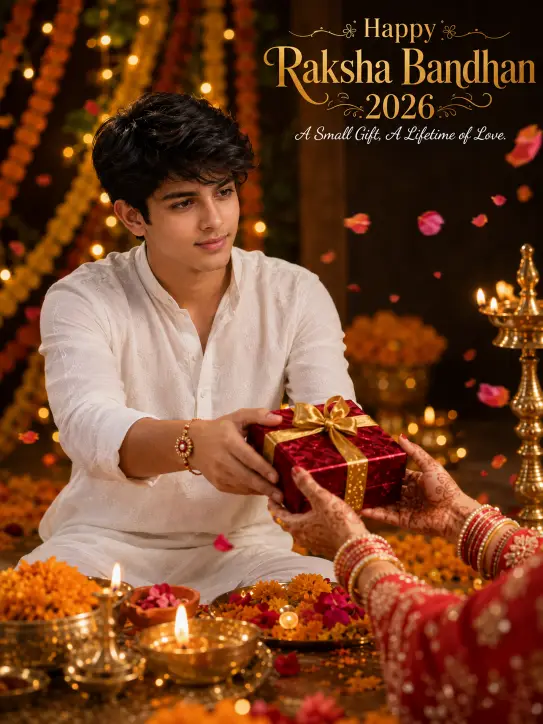
The rakhi symbolizes love, affection, and the emotional connection between siblings. The brother traditionally gives his sister a gift and promises to support and protect her.
However, the meaning of protection has evolved with time.
Today, Raksha Bandhan is increasingly understood as a celebration of mutual support. A sister can stand beside her brother just as strongly as a brother stands beside his sister. In many families, the festival has become less about a one-sided promise and more about celebrating a lifelong relationship.
Why Is Raksha Bandhan So Special?
Sibling relationships are unique.
Brothers and sisters may fight over the smallest things when they are young. They may argue over food, television remotes, clothes, or even who gets the better seat in the car.
Yet when life becomes difficult, siblings often become some of the first people we turn to.
That is what makes Raksha Bandhan special.
The festival creates an opportunity to pause the busy routine of everyday life and appreciate someone who has been part of our journey from childhood.
The rakhi itself may be a simple thread, but the emotions attached to it can be incredibly powerful.
For some people, it represents childhood memories. For others, it represents a sibling living in another city or country. And for many, it becomes a reminder of loved ones who may no longer be physically present but remain an important part of their memories.
The Story and Tradition Behind Raksha Bandhan
Raksha Bandhan has been associated with several stories and traditions throughout Indian history and mythology.
One well-known traditional story connects the festival with Lord Krishna and Draupadi. According to popular retellings, Draupadi tore a piece of cloth from her saree and tied it around Krishna’s injured finger. Krishna is believed to have promised to protect her in return.
Another popular historical tradition is associated with the story of Rani Karnavati and Emperor Humayun, although historians have debated the details and historical reliability of this account.
These stories have helped reinforce the broader cultural idea behind Raksha Bandhan: a bond strengthened by affection, trust, and a promise to stand beside one another.
The exact historical origins of the modern festival are complex, and Raksha Bandhan has developed through different regional customs over centuries.
How Is Raksha Bandhan Celebrated?
The traditional celebration is simple but meaningful.
On the day of Raksha Bandhan, family members often dress in traditional or festive clothing. The sister prepares a rakhi and a small thali containing items used during the ceremony.
The ritual may include:
- Applying a tilak to the brother’s forehead
- Performing aarti
- Tying the rakhi
- Offering sweets
- Exchanging gifts
- Taking blessings from elders
- Sharing a family meal
The ceremony can vary from one family and region to another.
What matters most is not following every ritual perfectly but preserving the feeling behind it.
Rakhi Is More Than Just a Thread
A beautiful rakhi can make the celebration visually attractive, but its real value comes from the emotion attached to it.
Today, people can find countless varieties of rakhis, including traditional cotton rakhis, handmade designs, personalized rakhis, minimalist bracelets, and eco-friendly options.
Some sisters choose rakhis based on their brother’s personality. Others prefer handmade rakhis because they feel more personal.
A handmade rakhi may not be expensive, but it can carry something that a luxury gift cannot easily replace: personal effort.
That is one reason traditional festivals continue to remain meaningful even in a digital age.
Raksha Bandhan in the Modern World
Modern life has changed the way families celebrate festivals.
Brothers and sisters often live in different cities or even different countries. Work, education, business, and family responsibilities can make physical meetings difficult.
Yet technology has made it possible to remain connected.
Video calls, online gifts, digital greetings, and courier services allow siblings to participate in Raksha Bandhan even when they cannot be together physically.
Still, there is an important difference between being digitally connected and being emotionally present.
A video call can help, but if you can meet your sibling in person, spend some uninterrupted time together. Put the phone away for a while. Talk about childhood. Laugh about old arguments. Take photographs.
Those moments are often more valuable than the gift itself.
Raksha Bandhan Gifts That Actually Feel Personal
Gift-giving has become an important part of Raksha Bandhan, but the most memorable gift is not necessarily the most expensive one.
A thoughtful gift can be something connected to the person’s interests, memories, or personality.
For example, a brother might give his sister:
- A personalized photo frame
- A handwritten letter
- A book
- A piece of jewelry
- A useful accessory
- A personalized keepsake
- A small experience or outing
Similarly, sisters can choose meaningful gifts for their brothers based on their hobbies and interests.
The goal should not be to compete over the price of the gift.
The goal is to say, “I know you, I remember you, and you matter to me.”
The Emotional Side of Raksha Bandhan
Raksha Bandhan is one of those Indian festivals that does not need grand decorations, expensive gifts, or elaborate celebrations to feel special. At its heart, it is simply about a brother and sister sitting together, sharing a moment, tying a rakhi, exchanging sweets, and remembering the bond that has remained strong through every stage of life.
The festival carries a beautiful message: relationships become stronger when people make time for one another.
Every year, Raksha Bandhan brings back memories of childhood. A sister choosing a rakhi, a brother pretending that he does not care about the ceremony, parents preparing sweets, and the inevitable teasing that follows the exchange of gifts—all these small moments become treasured memories over time.
But Raksha Bandhan is more than a traditional ritual. It represents affection, trust, protection, responsibility, and the promise of standing beside each other.
Perhaps the most beautiful part of Raksha Bandhan is the nostalgia it creates.
A grown-up brother may suddenly remember the sister who used to follow him around the house.
A sister may remember the brother who annoyed her constantly but secretly defended her whenever someone else made fun of her.
As children, siblings often fail to understand the value of these moments.
As adults, they begin to realize that those ordinary days were actually some of the most precious parts of their lives.
This is why Raksha Bandhan can feel surprisingly emotional.
The festival does not simply celebrate the present relationship. It also celebrates years of shared memories.
When Brothers and Sisters Live Far Away
Distance can make festivals difficult, but it does not have to make them meaningless.
If a sibling lives far away, a rakhi can be sent in advance. A handwritten note can be included with it. A video call can be arranged during the ceremony.
Families can even recreate some of their traditional celebrations through a virtual gathering.
But there is another option that is often overlooked: celebrate later when everyone can actually meet.
A festival is meaningful because of the people, not because everything happens on a particular schedule.
Raksha Bandhan and the Changing Meaning of Protection
The traditional idea of a brother protecting his sister has an important cultural history, but modern relationships are more balanced.
Today, brothers and sisters protect each other in many different ways.
A sister may help her brother through a difficult career decision. A brother may support his sister during a challenging period. One sibling may provide financial help, while another may simply listen when life becomes overwhelming.
Protection is no longer just physical.
Sometimes protection means giving honest advice.
Sometimes it means defending someone when they are being treated unfairly.
Sometimes it means answering a late-night phone call.
And sometimes it simply means saying, “I am here if you need me.”
That is the deeper meaning of the festival in modern times.
Eco-Friendly Raksha Bandhan
As celebrations become more conscious of their environmental impact, many families are choosing sustainable alternatives.
Eco-friendly rakhis made from natural fibers, seeds, recycled materials, or biodegradable components can be a thoughtful choice.
Families can also reduce unnecessary plastic packaging, avoid excessive decorations, and choose reusable gift wrapping.
A festival celebrating relationships does not need to create unnecessary waste.
Even small changes can make the celebration more responsible.
Make This Raksha Bandhan More Meaningful
If you want this year’s celebration to feel different, do not focus only on buying something expensive.
Try doing something personal.
Write a short letter to your sibling.
Create a photo album of childhood memories.
Revisit a place you both loved growing up.
Cook a favorite childhood dish together.
Watch an old family video.
Or simply sit together and talk without constantly checking your phones.
These are the moments that are likely to survive in memory long after the sweets are finished and the decorations are removed.
Raksha Bandhan Is About a Lifetime Bond
A rakhi is tied around the wrist in a few seconds.
But the relationship it represents can last an entire lifetime.
Brothers and sisters may grow up, move to different cities, build careers, get married, raise families, and become increasingly busy. Their lives may look completely different from the lives they shared as children.
Yet the memories remain.
That is the quiet power of Raksha Bandhan.
It reminds us that some relationships do not need constant attention to remain important. They simply need to be valued when we have the opportunity.
This Raksha Bandhan, celebrate the festival beyond the ritual.
Tie the rakhi.
Share the sweets.
Exchange the gifts.
Take the photographs.
But most importantly, take a little time to appreciate the person sitting in front of you.
Because years from now, you may not remember what gift you received.
You may not remember which sweets were served.
But you will remember the feeling of being together.
And ultimately, that is what Raksha Bandhan is really about.
Frequently Asked Questions About Raksha Bandhan
What does Raksha Bandhan symbolize?
Raksha Bandhan symbolizes the love, trust, affection, and lifelong bond between siblings. Traditionally, it is associated with a promise of protection, while today it is increasingly viewed as mutual support between brothers and sisters.
Why do sisters tie rakhi to their brothers?
Tying the rakhi is a traditional ritual representing the sibling bond and a promise of care and support. The brother traditionally gives a gift and makes a commitment to stand beside his sister.
Is Raksha Bandhan only about brothers and sisters?
The central tradition focuses on siblings, but the broader spirit of Raksha Bandhan is about affection, trust, and meaningful relationships. Different families and communities may celebrate the festival in their own ways.
What should I gift my brother or sister on Raksha Bandhan?
A thoughtful gift is usually better than an expensive one. Consider something personalized, useful, connected to their hobbies, or related to a shared memory.
How can I celebrate Raksha Bandhan if my sibling lives far away?
You can send a rakhi or gift beforehand, arrange a video call, celebrate the ritual virtually, or plan a personal celebration when you are able to meet.
Final Thoughts
Raksha Bandhan is a festival built around something simple but powerful: the value of having someone who has grown with you and continues to stand beside you.
Life changes. People move. Responsibilities increase. Childhood disappears.
But every year, when the rakhi is tied around the wrist, a small piece of that childhood seems to return.
That is why Raksha Bandhan continues to hold such a special place in Indian culture.
It is not merely a festival of a thread.
It is a celebration of memories, family, affection, and a bond that grows stronger with time.