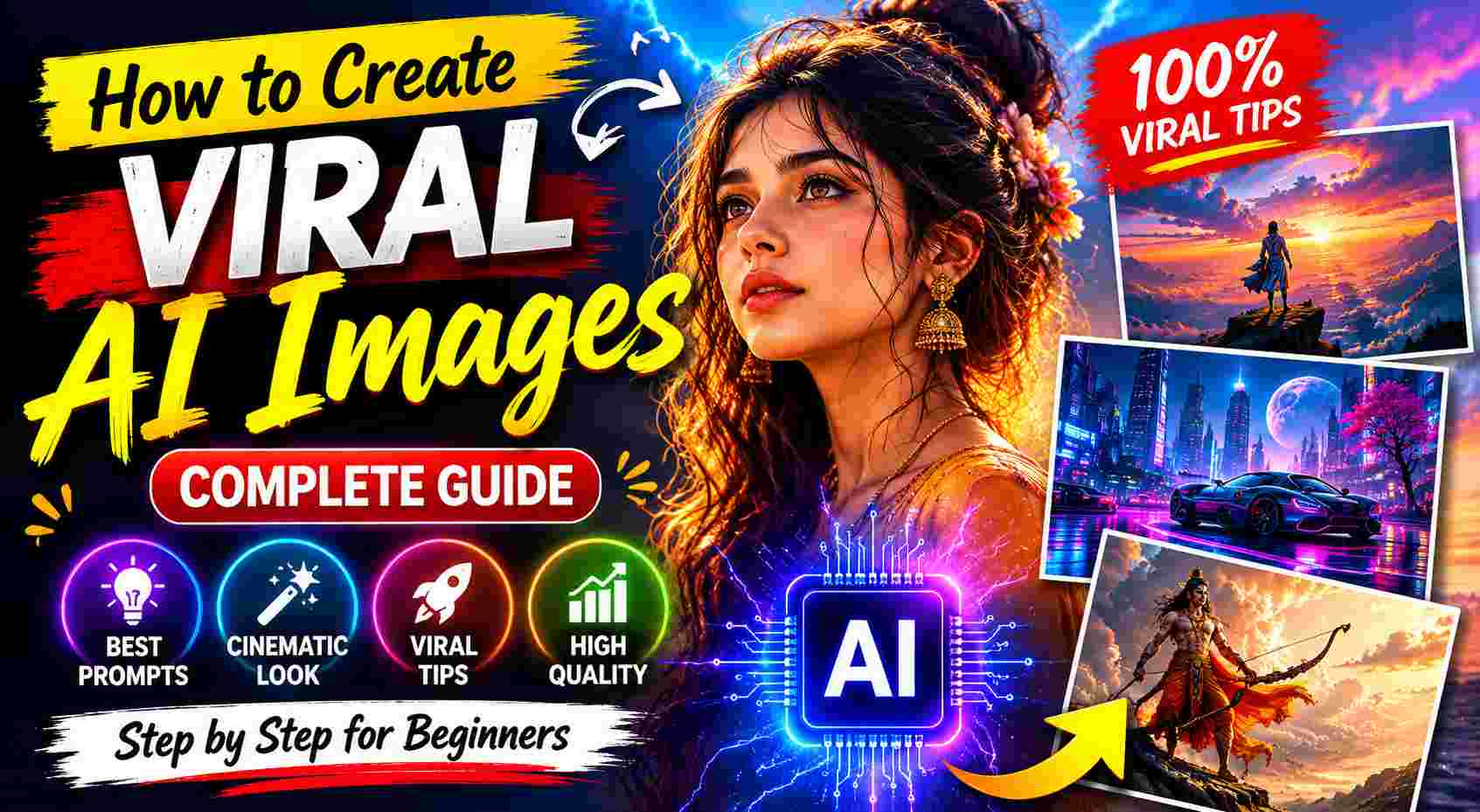
How to Create Viral AI Images: Complete Guide for Beginners and Creators
Artificial Intelligence (AI) has transformed the way people create digital content. Today, stunning portraits, cinematic scenes, fantasy artwork, and social media visuals can be generated within seconds using AI image tools. However, creating an image is one thing, while creating a viral AI image is completely different.
Every day, thousands of AI-generated images are uploaded to social media platforms. Only a small percentage gain massive attention, shares, and engagement. The secret behind these successful images is not luck. It is a combination of creativity, trend awareness, prompt engineering, storytelling, and visual appeal.
In this guide, you will learn how to create AI images that have a higher chance of going viral across platforms such as Instagram, Facebook, Pinterest, X, and YouTube.
What Makes an AI Image Go Viral?
Before creating viral content, it is important to understand why people share images online.
Most viral images trigger at least one of the following emotions:
-
Surprise
-
Curiosity
-
Inspiration
-
Nostalgia
-
Humor
-
Beauty
-
Wonder
When people feel a strong emotional reaction, they are more likely to engage with the content and share it with others.
A technically perfect image does not always become viral. An image that tells a story or creates emotion often performs much better.
Start With a Strong Concept
The biggest mistake beginners make is focusing only on visual quality.
A high-resolution image alone will not attract attention if the concept is ordinary.
Instead, begin with a unique idea.
Examples:
-
A futuristic Indian city in the year 2100
-
A village floating above the clouds
-
A lion wearing royal armor sitting on a golden throne
-
A grandmother transformed into a superhero
-
A cinematic portrait inspired by ancient mythology
Unique concepts encourage viewers to stop scrolling and look closer.
Follow Current Trends
Viral content often aligns with ongoing trends.
Look at:
-
Popular Instagram reels
-
Trending Pinterest searches
-
Viral Facebook posts
-
Popular AI art communities
-
Emerging visual styles
Some trends may include:
-
Cinematic portraits
-
Fantasy worlds
-
Hyper-realistic photography
-
Anime-inspired artwork
-
Historical reimaginations
-
Futuristic cityscapes
Creating content around trending themes increases the chances of reaching a larger audience.
Master Prompt Writing
The prompt is the foundation of every AI-generated image.
A detailed prompt gives the AI better instructions and produces more impressive results.
Instead of writing:
"Beautiful woman"
Write:
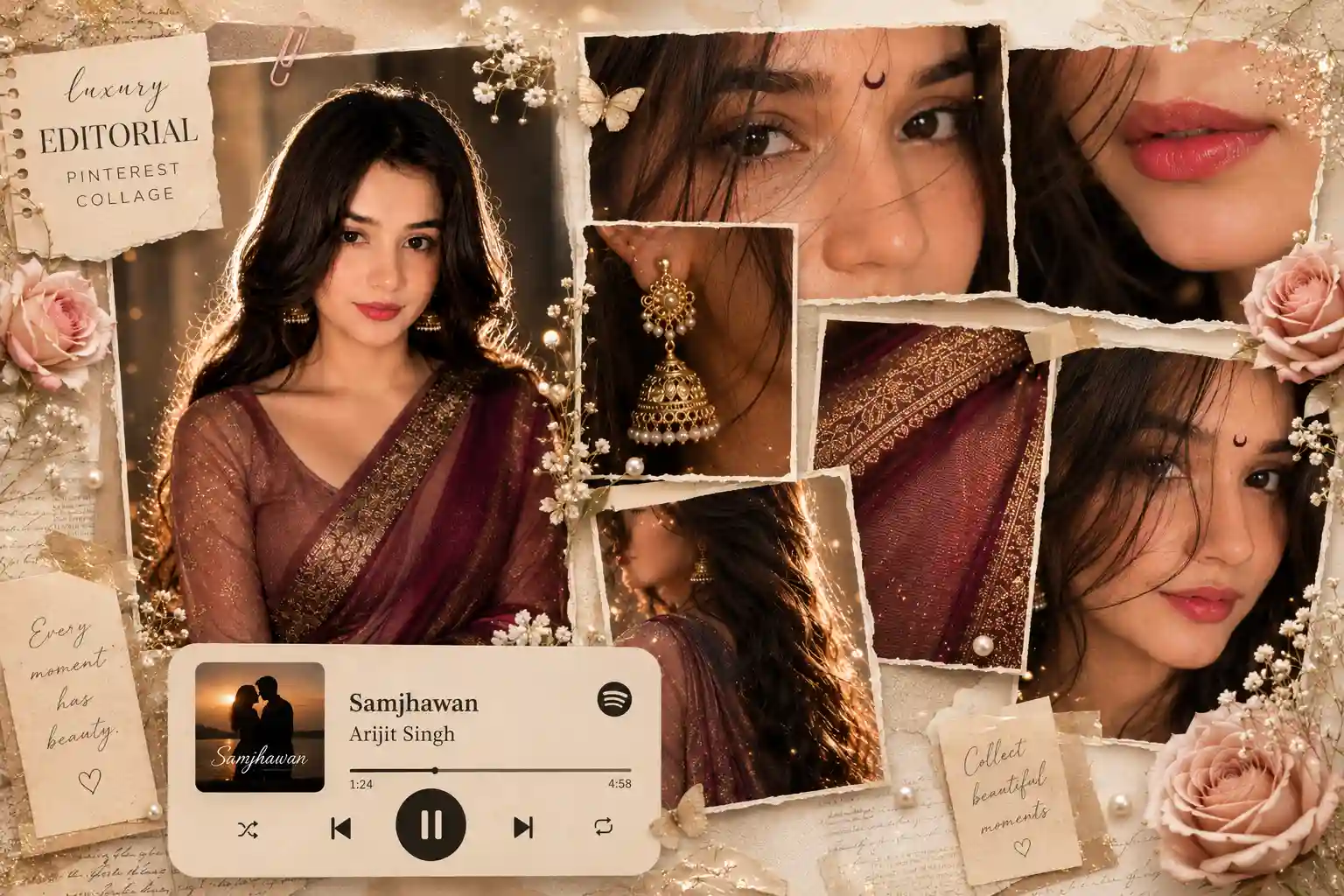
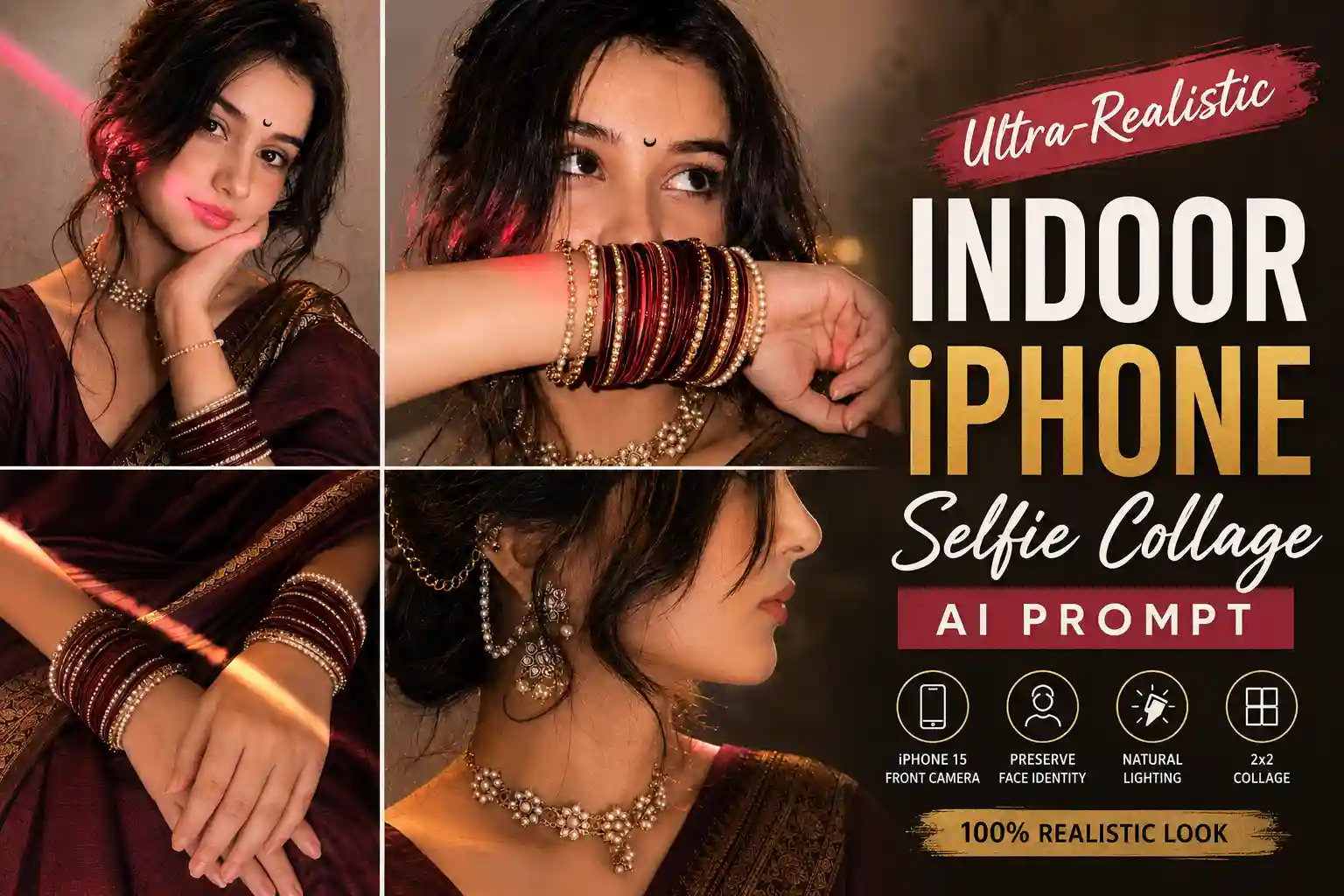
"Ultra-realistic cinematic portrait of a young Indian woman, golden hour lighting, soft wind in hair, detailed eyes, natural skin texture, professional photography, shallow depth of field, 8K quality, masterpiece composition"
The more specific your description, the better your output.
Focus on Human Faces
Human faces naturally attract attention.
Many viral AI images feature:
-
Emotional expressions
-
Beautiful portraits
-
Unique characters
-
Cultural fashion
-
Strong eye contact
People connect emotionally with faces more than landscapes or objects.
If your goal is social media engagement, portraits are often a strong choice.
Use Cinematic Lighting
Lighting dramatically affects image quality.
Popular styles include:
Golden Hour Lighting
Creates warm and emotional visuals.
Blue Hour Lighting
Produces dreamy and cinematic moods.
Studio Lighting
Ideal for professional portraits.
Night Flash Photography
Creates modern, trendy social-media aesthetics.
Well-designed lighting can make an image appear significantly more professional.
Tell a Story in a Single Frame
The most memorable images often tell a story.
For example:
Instead of generating:
"A girl in a forest"
Generate:
"A young explorer holding a glowing lantern while searching for a lost city deep inside an enchanted forest"
Storytelling creates curiosity and keeps viewers engaged longer.
Use High-Quality Details
Small details can make a huge difference.
Add descriptions such as:
-
Detailed eyes
-
Natural skin texture
-
Realistic shadows
-
Volumetric lighting
-
Professional color grading
-
Sharp focus
-
Dynamic composition
These details improve realism and visual appeal.
Create Scroll-Stopping Thumbnails
Most users decide within seconds whether to engage with content.
Your image should immediately grab attention.
Techniques include:
-
Bright focal points
-
Strong contrast
-
Dramatic lighting
-
Eye-catching colors
-
Large expressive subjects
If people stop scrolling, your engagement rate can increase significantly.
Maintain Consistency
Many successful creators develop a recognizable style.
Consistency helps build audience recognition.
Examples include:
-
Consistent color grading
-
Similar lighting styles
-
Recurring characters
-
Signature visual themes
When viewers recognize your work instantly, your brand becomes stronger.
Optimize for Social Media Platforms
Different platforms favor different image formats.
-
Portrait orientation
-
Bright visuals
-
Strong subjects
-
Vertical images
-
Educational graphics
-
Inspirational artwork
-
Emotional and shareable content
-
Family-friendly visuals
YouTube Thumbnails
-
Large faces
-
High contrast
-
Clear focal points
Tailoring images to each platform improves performance.
Experiment Frequently
Even experienced creators generate many images before discovering a viral concept.
Test:
-
Different prompts
-
Various lighting styles
-
New compositions
-
Emerging trends
The more experiments you conduct, the greater your chances of creating standout content.
Avoid Common Mistakes
Many AI creators struggle because they:
-
Use vague prompts
-
Ignore storytelling
-
Follow outdated trends
-
Over-edit images
-
Copy others without originality
Successful creators combine inspiration with their own creative ideas.
The Future of Viral AI Content
AI image generation continues to evolve rapidly. As tools become more advanced, competition will increase. The creators who succeed will be those who focus on originality, storytelling, emotional impact, and strong visual design.
Viral AI images are not simply generated; they are carefully planned. Understanding audience psychology and combining it with powerful AI prompts can significantly improve your results.
Final Thoughts
Creating viral AI images requires more than pressing a generate button. It involves creativity, trend analysis, prompt engineering, storytelling, and consistent experimentation. By focusing on emotional impact, unique concepts, and professional visual quality, you can create AI-generated content that stands out from the crowd and attracts meaningful engagement across social media platforms.
Remember, the goal is not just to create beautiful images but to create images that people cannot resist sharing.