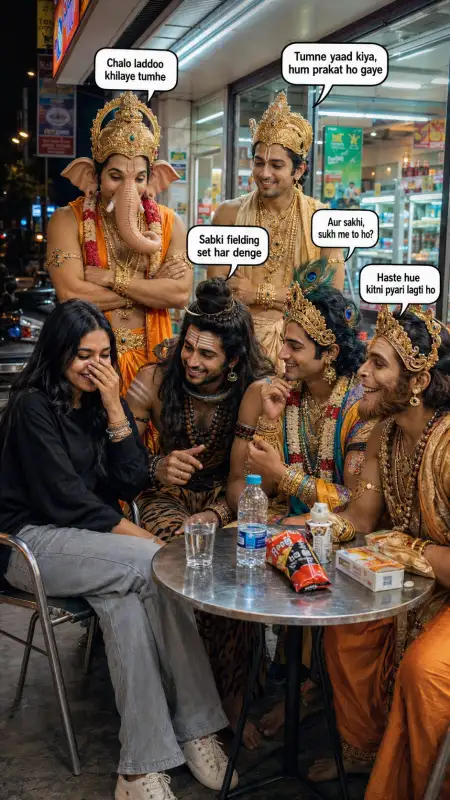
Master Image Generation Prompt (Strict Identity Lock): Preserve the Exact Identity in AI Image Generation
Artificial Intelligence has transformed image generation, making it possible to create cinematic portraits, fashion photography, fantasy scenes, travel photos, and hyper-realistic artwork within seconds. However, one of the biggest challenges users face is identity inconsistency. Even when using the same reference photo, many AI models generate a completely different face, alter facial features, or apply unwanted beauty enhancements.
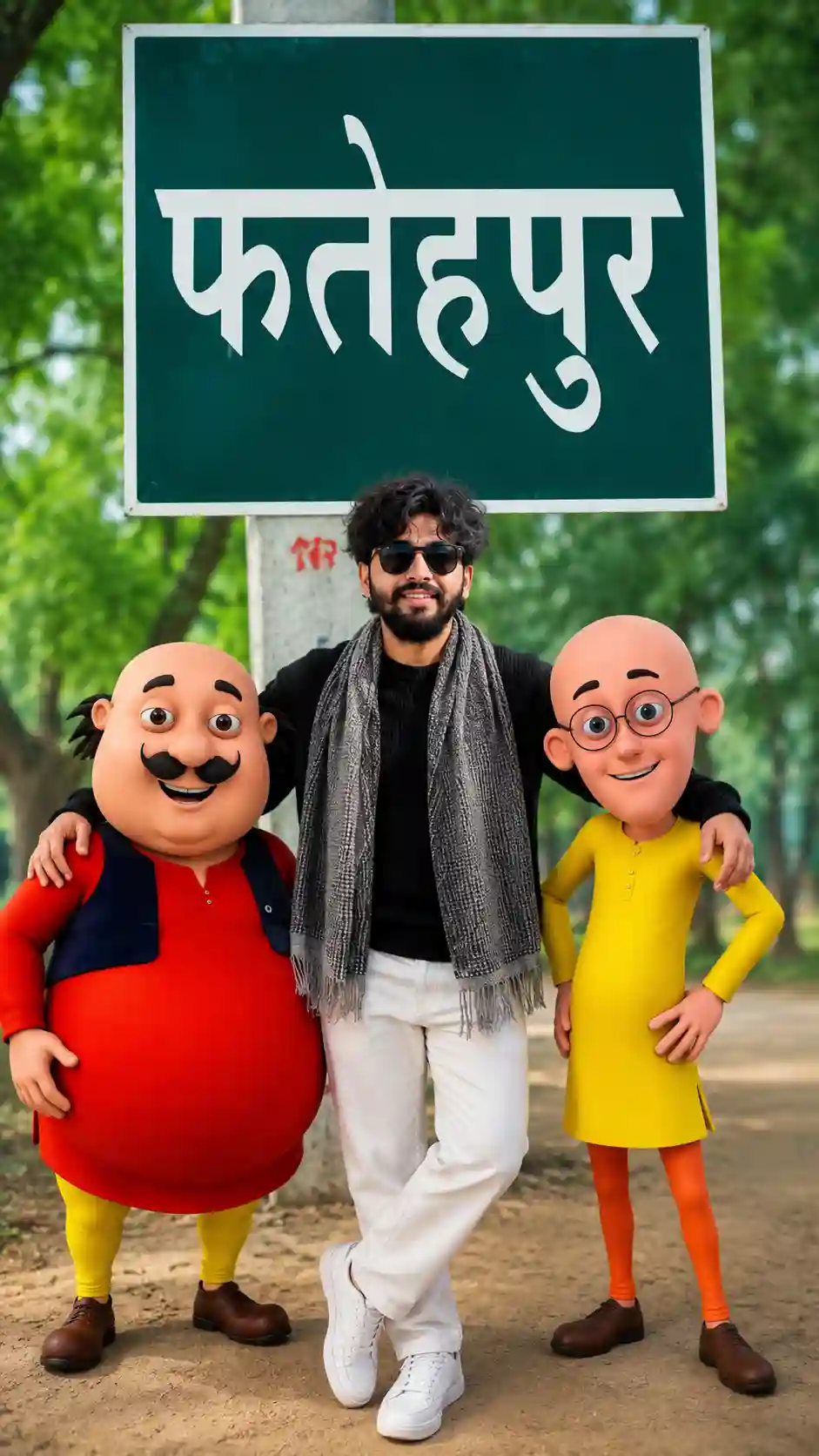
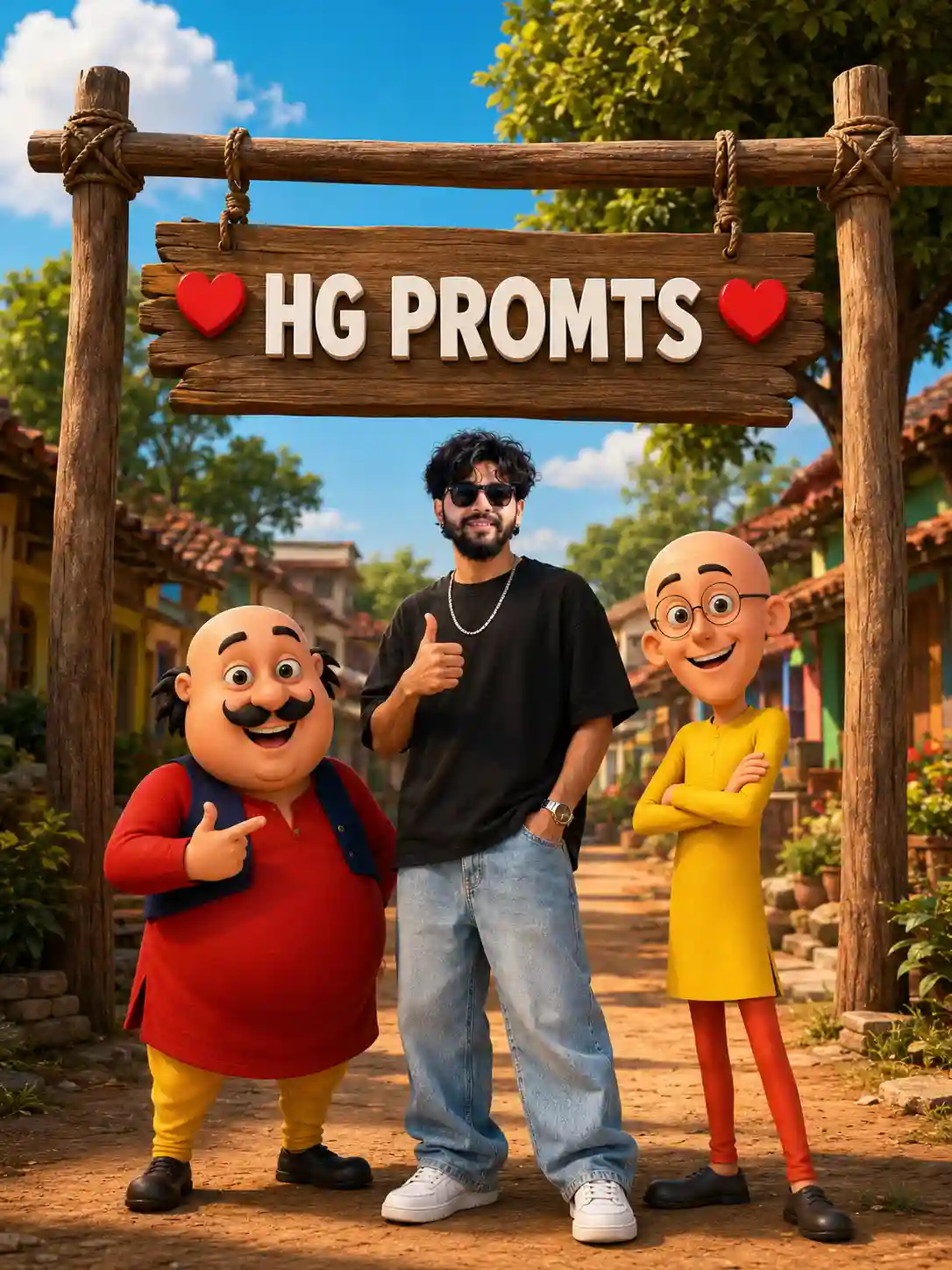
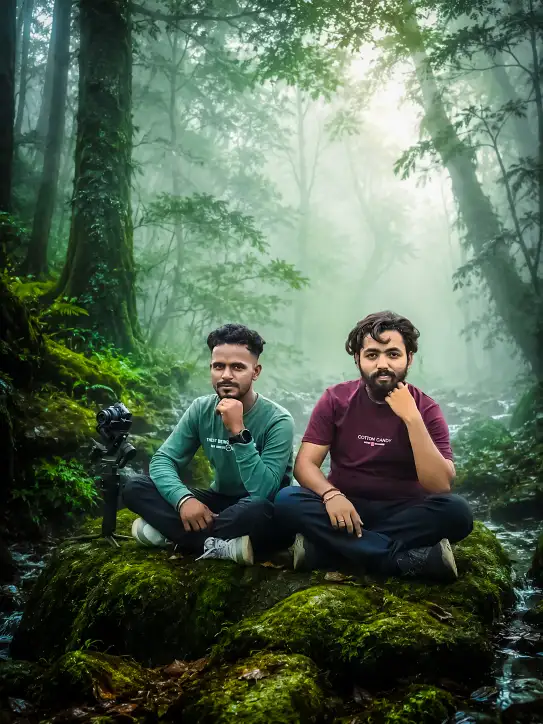
The Master Image Generation Prompt (Strict Identity Lock) solves this problem by forcing the AI to treat the uploaded reference image as the single source of truth for the person's identity. Instead of creating a new face, the AI is instructed to preserve every important facial feature while allowing creative freedom only in the clothing, background, lighting, pose, and environment.
This guide explains how the prompt works, why each section is important, and how to use it effectively for professional AI image generation.
What Is a Strict Identity Lock Prompt?
A Strict Identity Lock Prompt is a carefully structured instruction that tells an AI image generator to preserve the exact facial identity from the uploaded reference image.
Instead of allowing the model to "interpret" the face, the prompt instructs it to copy the identity with maximum accuracy.
The uploaded reference photo becomes the only identity reference used during image generation.
The AI should never invent another face or replace the subject with a similar-looking person.
Why Identity Preservation Matters
Many AI image generators naturally try to improve faces.
Without explicit instructions, they often:
-
Make the face look younger
-
Change the jawline
-
Smooth the skin excessively
-
Replace facial proportions
-
Modify hairstyles
-
Brighten skin tone
-
Alter eye shape
-
Produce an entirely different person
For creators making AI portraits, social media edits, wedding photos, branding images, YouTube thumbnails, or professional photography, these changes are unacceptable.
A Strict Identity Lock Prompt minimizes these unwanted modifications.
Highest Priority Rule
The most important instruction in the prompt is:
The uploaded reference image is the only source of truth.
This means every facial characteristic must remain unchanged.
Identity preservation always overrides artistic style.
Even if the prompt requests dramatic lighting, cinematic color grading, fantasy backgrounds, or luxury clothing, the face itself should remain exactly the same.
Facial Features That Must Be Preserved
A high-quality Identity Lock Prompt explicitly lists every important facial characteristic that should remain unchanged.
These include:
-
Face shape
-
Jawline
-
Forehead
-
Hairline
-
Hairstyle
-
Hair texture
-
Hair volume
-
Hair color
-
Eyebrows
-
Eye shape
-
Eye spacing
-
Eye size
-
Iris color
-
Nose bridge
-
Nose width
-
Nose shape
-
Lips
-
Smile
-
Chin
-
Ears
-
Skin tone
-
Skin texture
-
Natural facial proportions
-
Neck
-
Body proportions
-
Age appearance
-
Facial expression (unless intentionally changed)
The more detailed this list is, the less freedom the AI has to modify the person's appearance.
What the AI Must Never Do
The prompt also includes a strict list of prohibited changes.
The AI should never:
-
Generate another face
-
Mix identities
-
Replace the subject
-
Beautify the face
-
Apply AI beauty filters
-
Change facial symmetry
-
Alter ethnicity
-
Change skin tone
-
Modify eye shape
-
Adjust nose size
-
Change lip shape
-
Replace hairstyle
-
Alter the hairline
-
Make the person look like a model
-
Invent new facial features
These restrictions dramatically improve identity consistency across multiple generations.
Improving Quality Without Changing Identity
One advantage of the prompt is that it separates quality enhancement from identity modification.
The AI is allowed to improve:
-
Image sharpness
-
HDR quality
-
Dynamic range
-
Lighting
-
Natural shadows
-
Realistic skin pores
-
Facial texture
-
Hair detail
-
Overall resolution
However, these improvements must never change the person's actual appearance.
Gender Preservation
The prompt includes a dedicated gender protection rule.
If the uploaded image is male:
-
Generate the exact same male.
If the uploaded image is female:
-
Generate the exact same female.
The AI should never swap gender or reinterpret the subject.
Creative Freedom Without Identity Changes
One of the biggest strengths of the prompt is that only the identity is locked.
Everything else can change.
For example:
-
Clothing
-
Hairstyles (only if specifically requested; otherwise preserve the original)
-
Background
-
Environment
-
Camera angle
-
Lighting
-
Accessories
-
Color grading
-
Pose
-
Season
-
Location
-
Weather
-
Mood
This allows creators to place the same person in unlimited scenes while maintaining complete facial consistency.
Professional Realism Settings
The prompt also specifies professional photography settings to increase realism.
These include:
-
Ultra Photorealistic
-
8K Resolution
-
HDR
-
Hyper Realistic
-
Magazine Quality
-
DSLR Photography
-
Premium Color Grading
-
Professional Portrait
-
85mm Lens
-
f/1.8 Aperture
-
Cinematic Lighting
-
Natural Skin Texture
-
Real Hair
-
Real Eyes
-
Natural Shadows
-
Physically Accurate Lighting
-
Ultra Sharp Focus
These keywords encourage the AI to produce images resembling professional camera photography rather than CGI.
Why a Negative Prompt Is Essential
Negative prompts tell the AI exactly what should be avoided.
Typical restrictions include:
-
Different face
-
Identity mismatch
-
Face swap
-
AI-generated face
-
Cartoon
-
Anime
-
Plastic skin
-
Wax skin
-
Blurry face
-
Low quality
-
Extra fingers
-
Bad anatomy
-
Artifacts
-
Incorrect skin tone
-
Wrong hairstyle
-
Altered expression
-
Deformed eyes
-
Altered lips
-
Modified nose
-
Changed jawline
A strong negative prompt significantly reduces generation errors.
Best Use Cases
The Master Identity Lock Prompt is ideal for:
-
AI portrait editing
-
Professional headshots
-
Instagram photo generation
-
Fashion photography
-
Wedding portraits
-
Travel photography
-
Luxury lifestyle images
-
Corporate profile pictures
-
YouTube thumbnails
-
Cinematic movie posters
-
Fantasy artwork
-
AI influencers
-
Personal branding
-
Social media content
-
Marketing campaigns
Tips for Better Results
To maximize identity accuracy:
-
Use a high-resolution reference photo.
-
Ensure the face is clearly visible.
-
Avoid heavily filtered source images.
-
Upload only one primary identity reference.
-
Keep the prompt focused on preserving facial features.
-
Use detailed negative prompts.
-
Request photorealistic rendering instead of artistic styles when identity is the priority.
-
Generate multiple variations and choose the closest match if the model supports it.
Common Mistakes to Avoid
Many users unintentionally reduce identity accuracy by:
-
Using multiple reference faces.
-
Applying vague prompts.
-
Omitting negative prompts.
-
Requesting excessive beauty enhancements.
-
Mixing incompatible artistic styles.
-
Using low-quality reference images.
-
Asking the AI to "improve" facial features without specifying identity preservation.
Avoiding these mistakes helps produce much more reliable results.
Final Thoughts
The Master Image Generation Prompt (Strict Identity Lock) is a powerful framework for creating realistic AI images while preserving the exact identity of the person in the uploaded reference photo. By treating the reference image as the single source of truth and clearly defining both mandatory preservation rules and prohibited changes, creators can achieve consistent, recognizable results across a wide range of scenes and styles.
Whether you're producing cinematic portraits, social media content, branding visuals, fashion photography, or professional marketing assets, a well-designed Identity Lock Prompt ensures that the person remains authentic while the surrounding environment can be transformed creatively. For anyone seeking high-quality, photorealistic AI images without sacrificing facial accuracy, this approach is one of the most effective prompt-engineering techniques available today.
.webp)